Trusted LGBT Therapy Singapore Focused on Personal Growth and Resilience
Empathetic LGBT Counselling Services: Helping Your Journey to Well-Being
Compassionate LGBT counselling services play a crucial role in fostering psychological wellbeing and personal growth within the community. These programs establish a secure environment for people to explore their identities and confront societal pressures. By utilizing customized counseling methods, patients can build resilience and self-acceptance. Understanding the impact of these programs raises significant inquiries about their effectiveness and the life-changing outcomes they can provide. What transformations might occur for those who pursue this support?
LGBT Therapy: Why It Matters
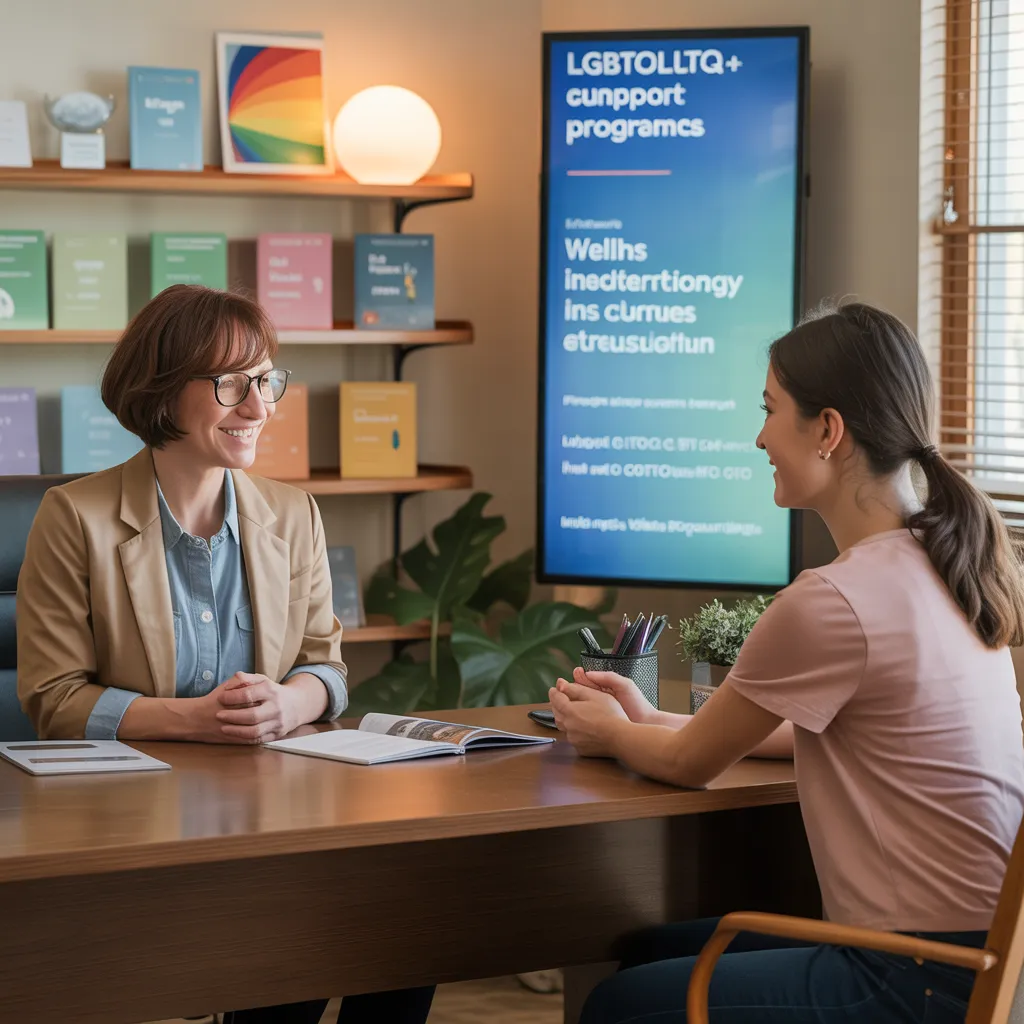
LGBT counselling constitutes an essential mechanism in addressing the unique challenges faced by members within the network. It provides a comfortable and validating venue where seekers can explore their identities, feelings, and personal narratives without fear of reproach. These services are designed to validate varied sexual orientations and gender identities, nurturing a sense of acceptance and recognition.
Counsellors trained in LGBT issues apply culturally competent practices to better understand the nuances of clients' lives. This specialized strategy not only supports mental health but also strengthens clients to navigate societal pressures, romantic connections, and self-improvement.
Additionally, LGBTQ+ support services can help develop adaptive techniques for stress, anxiety, and depression, which may result from experiences of discrimination or isolation. By prioritizing emotional well-being, these services play an essential role in boosting the total well-being for LGBT people, fostering self-acceptance and emotional strength.
Obstacles Affecting the LGBT Community
While progress has been made across many areas, the LGBT community still faces significant obstacles. Discrimination remains pervasive, affecting various dimensions of life, including employment, medical care, and housing. Numerous individuals experience discrimination and bias, leading to increased mental health concerns. Moreover, the lack of comprehensive legal protections in certain regions exacerbates these concerns, leaving members of the community vulnerable to mistreatment and assault.
Mental health issues are particularly pronounced, as individuals often struggle with internalized homophobia and societal rejection. Social isolation can exacerbate these difficulties, as supportive networks may be restricted or non-existent. Moreover, access to culturally competent healthcare services is frequently inadequate, leaving many without essential support.
Handling these setbacks requires resilience and advocacy, highlighting the pressing nature of broader education and strategic measures to strengthen respect and belonging. Tackling these problems is indispensable for the overall well-being of the LGBT community.
Explore What Your Counselling Session Will Include?
During an LGBTQ counseling session, the initial assessment process is crucial for comprehending the client's unique needs and experiences. This foundational step establishes the foundation for the therapeutic techniques that will be employed throughout the process. Clients can anticipate a customized method that prioritizes their personal circumstances and goals.
Preliminary Evaluation Workflow
The first evaluation procedure functions as an critical base for effective counselling sessions. During this stage, clients are encouraged to discuss their situations, worries, and objectives in a safe, supportive environment. The counsellor performs a comprehensive assessment, collecting pertinent information about the client's history, psychological background, and present difficulties. This conversation seeks to establish connection and confidence, allowing clients to feel heard and appreciated. Additionally, the counsellor may discuss the client's expectations and desired outcomes from the therapeutic process. By establishing a clear understanding of the client's requirements, the initial assessment sets the stage for tailored support and effective intervention, guaranteeing that clients feel confident and prepared on their path to wellness.
Therapeutic Techniques Implemented
Counselling sessions employ a selection of therapeutic techniques adapted to meet each patient's unique needs. Approaches such as cognitive-behavioral therapy help clients confront and reframe harmful thinking, fostering healthier perspectives. Narrative therapy encourages individuals to explore and reconstruct their life narratives, boosting personal identity and autonomy. Additionally, mindfulness practices support emotional regulation and focus on the now, supporting clients in handling anxiety and stress. Supportive techniques, including active listening and empathy, create a protective setting for open dialogue. Group therapy can be utilized, nurturing belonging and mutual understanding among clients. Each technique is deliberately chosen to address particular issues faced by LGBT individuals, guaranteeing a thorough and empathetic approach to their psychological health and wellness.
Ways LGBT Support Handles Common Challenges
While navigating a world often fraught with discrimination and misunderstanding, many individuals within the LGBT community face distinct emotional and psychological challenges. LGBT counselling tackles these issues by offering a safe, affirming space where clients can express their feelings without fear of judgment. Counselors are equipped to comprehend the complexities of identity, including coming out, relationship dynamics, and societal pressures.
Using individualized therapeutic techniques, including CBT and narrative-based therapy, clients delve into their cognitions and experiences, cultivating fortitude and self-regard. The concentration on empowerment helps individuals overcome internalized shame and external discrimination, promoting more adaptive psychological strategies.
Furthermore, LGBT counselling often includes discussions around overlapping identities, acknowledging how various identities overlap, affecting psychological well-being. By tackling these common challenges, counselling supports clients in developing a stronger personal identity and belonging, ultimately facilitating their path toward well-being and satisfaction.
Locating the Ideal LGBT Professional for Your Needs
Guiding the passage toward psychological wellness often requires discovering the right resources. For members within the LGBT community, picking a practitioner who grasps their unique experiences and challenges is vital. Primary elements include the counsellor's qualifications, experience, and familiarity with LGBT issues.
Prospective clients should locate experts who possess a background in LGBTQ+ matters, guaranteeing they can navigate complex feelings and cultural expectations competently. Recommendations from others, digital feedback, and professional directories can be helpful helpful resource references in this hunt.
Additionally, a(n) opening consultation can help in evaluating compatibility; it offers an opportunity to review the counsellor’s approach and communication style. Feeling safe and understood is key, so clients should follow their instincts about the connection formed. Ultimately, the right LGBT counsellor can significantly enhance the therapeutic experience, encouraging growth and resilience on the path to well-being.
Success Stories: Life-Changing Effects of LGBT Counselling
LGBT counselling has proven to be a catalyst for self-development, facilitating individuals to accept and explore their identities. Many have reported experiences of surmounting significant hurdles and locating a sense of connection within supportive communities. These tales of triumph underscore the meaningful influence counselling can have on the lives of LGBTQ+ individuals.
Self Improvement Passages
Counselling can serve as a strong driver for self-development, notably in the LGBT community, where individuals often contend with particular difficulties. Many clients report substantial changes after undergoing supportive counselling sessions. For instance, one individual gathered the strength to adopt their identity, leading to enhanced confidence and healthier relationships. Another client gained skills in setting boundaries, cultivating essential skills for everyday and career situations. These journeys underscore the impact of customized therapeutic methods, stressing acceptance and understanding. By exchanging perspectives and knowledge, individuals not only build strength but also inspire others facing similar struggles. Such success stories underscore the importance of compassion in counselling, establishing that personal growth is attainable and can create a satisfying existence.
Overcoming Personal Obstacles
Handling identity issues can be a overwhelming journey, yet counselling frequently provides a transformative avenue for many individuals. Clients typically report significant improvements in their self-perception and acceptance through qualified support. For instance, one individual learned to embrace their identity after facing internalized stigma, eventually finding empowerment in their uniqueness. Another client, who experienced familial rejection, uncovered coping strategies that strengthened resilience and self-love. These success stories underline the crucial role of LGBT counselling in aiding personal growth and healing. By addressing feelings of isolation and confusion, counselling supports individuals in cultivating a stronger sense of self, opening the door to a satisfying life rooted in authenticity and acceptance.
Building Nurturing Communities
Many individuals have discovered that building caring communities can greatly improve their journey towards acceptance and belonging. Such communities often serve as safe spaces where members are able to share experiences and challenges without fear of judgment. Success stories are abundant, showing how collective support builds resilience and empowerment. For example, one individual described how joining a local LGBT group provided not only friendship but also vital resources for mental health. Another participant recounted attending workshops that led to meaningful personal growth and increased confidence. Through these shared experiences, individuals often discover a sense of identity and purpose, reinforcing the idea that connection and understanding can transform lives. Ultimately, supportive communities play an essential role in promoting well-being within the LGBT population.

Additional Materials for LGBT Support Services and Support
While dealing with the complexities of life, members within the LGBT community often seek additional aids to boost their therapy experiences. Several organizations supply support adapted to their special needs. Web-based sites, such as forums and chat rooms, deliver a safe space for exchanging experiences and advice. Local LGBT centers frequently host workshops, support groups, and social events, fostering community connections.
Also, educational materials, comprising books and articles, can enhance understanding of personal issues and societal challenges. Hotlines operated by trained professionals offer immediate help for those in crisis. In addition, mental health apps specifically designed for the LGBT community can furnish stress management approaches and mindfulness exercises.
Frequently Asked Questions
How Do I Recognize if Counselling is Necessary for Me?
People may need therapy if they experience ongoing emotions of sadness, anxiety, or confusion, have difficulty in relationships, or face major transitions. Recognizing these signs can assist in establishing the necessity of seeking professional support.
How Does LGBT Counselling Compare With Standard Therapy?
LGBT therapy often addresses specific cultural, identity, and community-related issues that conventional therapy may overlook. It establishes a secure, supportive space for individuals to explore their journeys, fostering comprehension and personal growth unique to their sense of self.
What Qualifications Should I Consider in a Therapist?
If you are searching for a counsellor, you should prioritize credentials like appropriate educational background, licensure, expert instruction in LGBT issues, professional experience, and a proven dedication to comprehending diverse sexual and gender identities.
Can I Access Online Counselling Sessions?
Yes, online counselling sessions are accessible. Many professionals offer virtual appointments, offering adaptability and accessibility. It's critical for individuals to verify that their preferred counsellor is qualified and proficient in delivering effective online support.
What Safeguards Exist for LGBT Therapy Confidentiality?
LGBT counselling services emphasize confidentiality, making sure clients' identities and discussions remain private. Professionals follow professional standards, protecting personal information while creating a safe environment for open dialogue and care throughout the therapeutic journey.